
Hotel Kitchen Refrigeration Guide: What Type of Fridge or Freezer Do You Need in Each Area?
Refurbishing a hotel kitchen is the ideal opportunity to review how refrigeration supports your operation. The right commercial fridges and freezers can improve workflow, protect food quality, support food safety and make better use of available space. The wrong choice can create bottlenecks, waste valuable floor area and make day-to-day service harder than it needs to be.
For most hotel kitchens, the core refrigeration choices are undercounter refrigeration and upright refrigeration. Each has a different role to play. Undercounter fridges and freezers are ideal for keeping ingredients close to hand during preparation and service, while upright cabinets are better suited to higher-volume storage and organised back-of-house stockholding.
This guide explains which type of refrigeration works best in each area of a hotel kitchen and why.
Understanding the Role of Undercounter and Upright Refrigeration
Before choosing specific models, it is useful to understand the difference between the two main formats.
Undercounter Refrigeration
Commercial undercounter fridges and freezers are designed to sit beneath worktops or counters. They are compact, accessible and well suited to areas where staff need chilled or frozen ingredients within easy reach.
They are commonly used in:
- Preparation areas
- Plating sections
- Breakfast service areas
- Pastry sections
- Bar and room service support areas
- Satellite kitchens
- Smaller service points
Their main benefit is convenience. Staff do not need to leave the section to collect frequently used ingredients, which can improve speed, consistency and workflow.

Upright Refrigeration
Commercial upright fridges and freezers offer larger storage capacity in a vertical footprint. They are particularly useful for bulk storage, organised stock rotation and holding ingredients before they are moved to prep or service areas.
They are commonly used in:
- Main kitchen storage areas
- Goods-in and back-of-house areas
- Larder sections
- Banqueting kitchens
- Pastry and bakery departments
- Frozen storage zones
Their main benefit is capacity. Upright cabinets allow hotels to store larger quantities of chilled or frozen products in a more structured way.
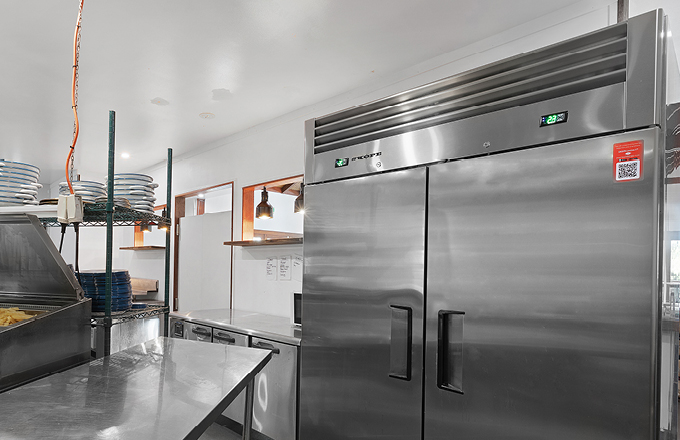
1. Goods-In and Main Storage Areas
The goods-in area is where deliveries are checked, sorted and moved into storage. This section usually needs higher-capacity refrigeration because it supports the rest of the kitchen.
Best refrigeration type: Upright fridges and freezers
Upright refrigeration is generally the best choice for main storage because it provides greater capacity and better stock organisation. In a hotel kitchen, this may include chilled produce, dairy, prepared items, meat, fish, desserts, frozen ingredients and pre-portioned products.
Why upright refrigeration works well here
Upright cabinets make it easier to:
- Store larger volumes of stock
- Separate product categories
- Maintain better stock rotation
- Keep bulk ingredients organised
- Reduce congestion in prep areas
- Support multiple kitchen sections from one storage point
A hotel kitchen often serves breakfast, lunch, dinner, events, room service and private dining, so storage needs can be more complex than in a smaller restaurant. Upright refrigeration gives the kitchen team a centralised chilled or frozen storage point that can feed the rest of the operation.
What to consider
When choosing upright refrigeration for storage areas, consider cabinet size, door configuration, internal layout, shelving strength, temperature performance and available floor space. It is also important to think about how deliveries move through the building and whether the units can be accessed easily for cleaning and maintenance.
2. Preparation Areas
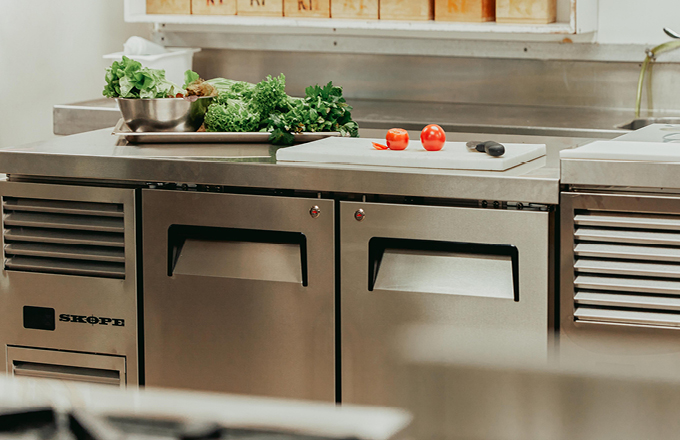
Preparation areas need refrigeration that supports speed, hygiene and efficient workflow. Staff should be able to access ingredients quickly without repeatedly walking back to the main store.
Best refrigeration type: Undercounter fridges and freezers
Undercounter refrigeration is usually the best fit for prep stations because it keeps essential ingredients directly beneath the work surface. This is especially useful in busy hotel kitchens where several chefs may be working across different sections at the same time.
Why undercounter refrigeration works well here
Undercounter fridges and freezers help:
- Keep ingredients close to hand
- Reduce unnecessary movement
- Improve preparation speed
- Make better use of limited space
- Support section-based working
- Keep prep areas more organised
For example, a garde manger or larder section may need chilled storage for salads, dressings, garnishes, prepared vegetables and cold starters. A pastry section may need undercounter refrigeration for cream, fruit, fillings and chilled desserts. A hot kitchen prep area may use undercounter refrigeration for sauces, proteins or mise en place.
Doors or drawers?
In preparation areas, the choice between doors and drawers is important.
Door cabinets offer flexible storage and are useful for larger containers, tubs or mixed stock.
Drawer units can be highly practical where chefs need fast access to specific ingredients. Drawers can help keep products separated and may reduce the need to bend down or search through the cabinet.
The best option depends on how the section works. If the unit is used for general chilled storage, doors may be more flexible. If it is used for fast-access ingredients during service, drawers may improve workflow.
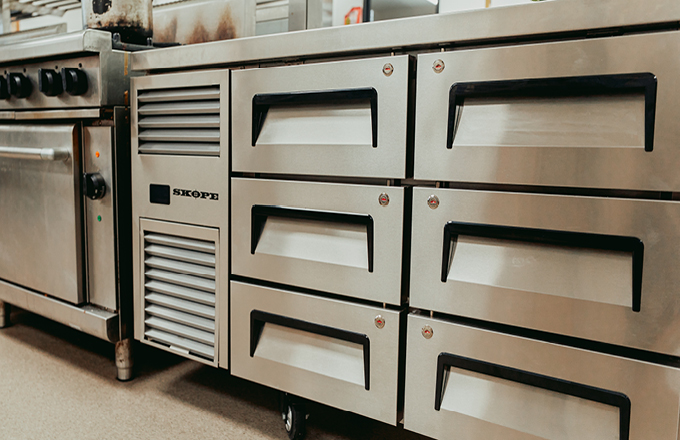
3. Cooking Line and Hot Kitchen
The cooking line is one of the most demanding areas of a hotel kitchen. Refrigeration here needs to be practical, robust and suitable for warmer working conditions.
Best refrigeration type: Undercounter fridges and freezers
Undercounter units are often used on or near the cooking line to store frequently used chilled or frozen ingredients. This allows chefs to access key items quickly during service without leaving the line.
Why undercounter refrigeration works well here
On the hot line, undercounter refrigeration can help:
- Keep mise en place close to the cooking area
- Improve ticket speed
- Reduce unnecessary movement
- Support consistent plating
- Make effective use of space beneath counters
- Keep key ingredients organised by section
However, this is also an area where airflow and ventilation are especially important. Refrigeration located near ovens, grills, fryers or other heat-producing equipment may have to work harder to maintain temperature.
What to consider
Before installing undercounter refrigeration on the cooking line, check:
- The ambient temperature of the area
- The unit’s airflow requirements
- Clearance around the cabinet
- Whether it can breathe properly beneath the counter
- How close it is to heat-producing equipment
- Whether the condenser area can be cleaned easily
A fridge or freezer that is boxed into a tight space without sufficient airflow may use more energy, struggle to maintain temperature and experience increased wear over time.
4. Service and Plating Areas
Service and plating areas need refrigeration that supports speed, consistency and presentation. In hotel kitchens, this may include à la carte service, banqueting, breakfast service, afternoon tea, room service or event catering.
Best refrigeration type: Undercounter fridges
Undercounter fridges are usually the best option for service and plating areas because they allow chefs to hold chilled components close to the pass or work surface.
Why undercounter refrigeration works well here
Undercounter refrigeration can support:
- Fast access to garnishes
- Consistent plating
- Efficient service during peak periods
- Chilled holding of sauces, dressings and prepared items
- Better organisation at the pass
- Reduced pressure on central storage areas
For hotels, where service styles can vary throughout the day, localised refrigeration can be particularly valuable. Breakfast service may need chilled storage for yoghurts, fruit, dairy and prepared items, while evening service may need garnishes, sauces and plated dessert components.
What to consider
In service areas, think about how often the unit will be opened, what products need to be stored and whether drawers or doors will provide the best access. For high-frequency use, easy access can make a noticeable difference to speed and workflow.
5. Larder, Cold Prep and Salad Sections
The larder section is one of the most refrigeration-dependent parts of a hotel kitchen. It may handle starters, salads, sandwiches, cold buffet items, garnishes, dressings and prepared ingredients.
Best refrigeration type: A combination of undercounter and upright fridges
A larder section often benefits from both formats. Upright refrigeration can be used for larger-volume chilled storage, while undercounter units keep frequently used ingredients close to the prep area.
Why this combination works well
Using both formats allows the team to separate bulk storage from active preparation. The upright fridge can hold larger quantities of prepared items and ingredients, while the undercounter fridge supports the immediate working area.
This approach helps:
- Keep the prep bench clear and organised
- Improve food safety
- Support better stock rotation
- Reduce movement during busy periods
- Separate high-use ingredients from backup stock
- What to consider
Look at the volume of cold prep carried out each day. A hotel with significant breakfast, conference, buffet or banqueting trade may need more upright storage in this section than a smaller boutique hotel with a limited menu.
6. Pastry and Dessert Sections
Pastry sections often require precise chilled storage for cream, chocolate, fruit, fillings, prepared desserts and delicate components.
Best refrigeration type: Undercounter fridges supported by upright storage
Undercounter refrigeration is useful at the pastry bench because it keeps delicate ingredients close to hand. Upright refrigeration is useful for holding larger batches of prepared desserts, bases, fillings and backup stock.
Why this works well
A pastry section often needs both immediate access and organised storage. Undercounter units allow pastry chefs to work efficiently at the bench, while upright cabinets provide space for larger trays, containers and prepared items.
What to consider
Pastry refrigeration should be easy to clean, well organised and suitable for delicate products. Consider internal layout, shelf spacing, drawer access and whether the cabinet can accommodate the containers or trays used by the pastry team.
7. Banqueting and Event Kitchens
Hotels with conference, wedding or event spaces often need refrigeration that can cope with volume and flexibility. Demand may change significantly depending on the event schedule.
Best refrigeration type: Upright fridges and freezers, supported by undercounter units
Upright refrigeration is well suited to banqueting because it provides the capacity needed for larger volumes of prepared ingredients and plated components. Undercounter units can then be positioned in finishing or plating areas to support service.
Why this combination works well
For events, teams often need to store larger quantities of food before service, then move selected items to the plating area. Upright cabinets support advance preparation and organised holding, while undercounter units support speed during service.
This can help:
- Improve event preparation
- Reduce pressure on the main kitchen
- Support batch production
- Keep service areas clear
- Improve plating efficiency
- Maintain better stock organisation
- What to consider
Banqueting refrigeration should be planned around peak demand, not just average daily service. Consider the largest events the kitchen needs to support and whether additional refrigeration is needed for those periods.
8. Breakfast Service Areas
Breakfast service can place heavy demand on refrigeration, especially in hotels offering buffet-style service, room service or high-volume morning trade.
Best refrigeration type: Undercounter fridges in service areas, upright fridges for backup storage
Undercounter refrigeration is useful near breakfast preparation and service points, while upright fridges provide storage for larger quantities of dairy, fruit, yoghurts, juices, prepared items and chilled ingredients.
Why this works well
Breakfast service is often time-sensitive. Staff need quick access to frequently used chilled products, but the kitchen also needs enough backup stock to handle peak morning demand.
A combination of undercounter and upright refrigeration allows hotels to:
- Keep service areas stocked
- Replenish chilled items quickly
- Support buffet and room service operations
- Reduce unnecessary trips to the main cold store
- Improve morning workflow
- What to consider
Think about the flow of breakfast service. If items are replenished frequently, localised undercounter refrigeration can reduce pressure on staff and improve service speed.
9. Bar, Lounge and Room Service Support Areas
Hotels often have multiple service areas beyond the main kitchen. Bars, lounges, room service stations and satellite pantries may all require refrigeration.
Best refrigeration type: Undercounter fridges and freezers
Undercounter refrigeration is usually the most practical option in these areas because space is often limited and products need to be easily accessible.
Why undercounter refrigeration works well here
These areas may need chilled storage for:
- Drinks
- Garnishes
- Dairy
- Desserts
- Sandwiches
- Room service ingredients
- Prepared snacks
- Frozen items for quick service
Undercounter units help make use of available counter space without requiring a large footprint. They can also keep service areas tidy and efficient.
What to consider
For customer-facing or semi-public areas, noise level, appearance and ease of access may be more important than in the main kitchen. It is also worth considering whether solid doors, glass doors or drawer formats are most appropriate for the application.

10. Frozen Storage Requirements
Freezer storage is essential in many hotel kitchens, but it should be planned carefully. Not every section needs a freezer directly within the working area.
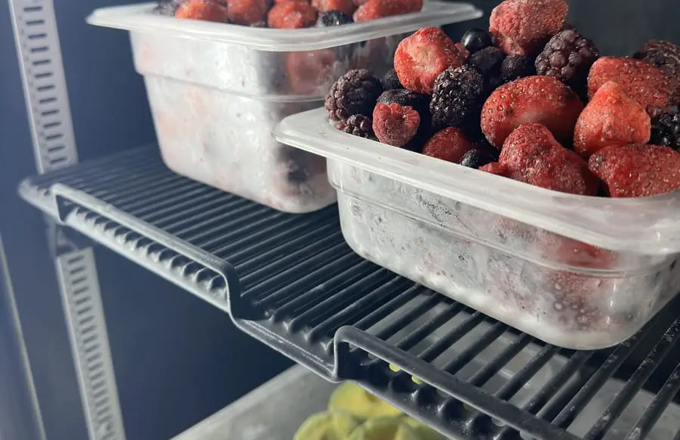
Best refrigeration type: Upright freezers for main storage, undercounter freezers for section support
Upright freezers are suitable for central frozen storage, while undercounter freezers are useful where staff need quick access to frozen products during preparation or service.
Why this works well
Central upright freezer storage helps keep bulk frozen products organised, while undercounter freezers can support specific sections such as pastry, starters, bar snacks, room service or quick-serve menu items.
What to consider
Think about how often frozen products are accessed and where they are used. If staff constantly walk to a central freezer during service, an undercounter freezer in the working area may improve efficiency. If frozen products are mainly used for bulk storage, upright cabinets may be the better option.
Where SKOPE Refrigeration Fits In
Once you have identified where undercounter and upright refrigeration should sit within your hotel kitchen, the next step is choosing equipment that suits the demands of the environment.
SKOPE commercial refrigeration is designed for professional foodservice applications, with undercounter and upright options suited to preparation, service and storage areas. For hotels refurbishing their kitchens, SKOPE products offer a practical way to build a refrigeration layout around real operational needs, from compact undercounter storage at the point of use to upright cabinets for larger-volume chilled or frozen storage.
The key is to choose refrigeration that supports the way your kitchen works. By combining undercounter units for fast access with upright cabinets for capacity and organisation, hotel operators can create a more efficient, practical and reliable kitchen environment.
Key Factors to Consider Before Choosing Refrigeration
Once you have mapped refrigeration by kitchen section, the next step is to compare individual units. Key considerations include:
1. Dimensions and Fit – Check the height, width and depth of each unit, but also consider door swing, drawer extension, ventilation space and service access. A unit that fits the gap may still be unsuitable if it cannot be opened, cleaned or ventilated properly.
2. Airflow and Ventilation – Commercial refrigeration needs to remove heat from the cabinet and release it into the surrounding environment. Poor airflow can affect performance, energy use and reliability. This is especially important for undercounter units installed beneath counters or near cooking equipment.
3. Construction and Materials – Commercial kitchens are demanding environments. Look for robust construction, durable interiors, strong doors or drawers, reliable gaskets and easy-clean surfaces. Stainless steel is often preferred because it is durable, hygienic and well suited to regular cleaning.
4. Energy Efficiency – Refrigeration runs continuously, so energy consumption should be part of the buying decision. Efficient units can help reduce running costs over time, especially in larger hotel kitchens with multiple cabinets.
5. Capacity and Layout – Consider usable capacity, not just external dimensions. Think about shelving, drawer depth, container compatibility and how the unit supports day-to-day stock rotation.
6. Cleaning and Maintenance – Choose units that are easy to clean and maintain. Removable shelves, accessible filters, easy-clean gaskets and service access can all make a difference over the life of the equipment.
7. Workflow – The best refrigeration layout should reduce unnecessary movement and support how the kitchen actually operates. Think about what staff need, where they need it and how often they access it.
SKOPE undercounter and upright refrigeration

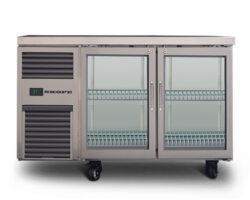

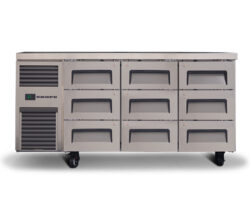
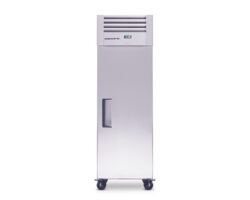
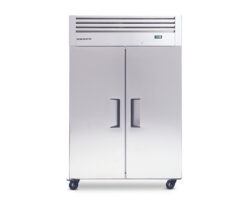
Planning a hotel kitchen refurbishment? Speak to Hubbard Systems about SKOPE undercounter and upright refrigeration solutions for preparation, service and storage areas.