What Size Ice Machine Does My Business Need?
Choosing the right size ice machine is essential for any business that relies on a consistent supply of ice. Whether you run a bar, restaurant, hotel, café, pub, convenience store, fish counter, healthcare facility or quick-service operation, your ice machine needs to produce enough ice for everyday use, busy service periods and seasonal peaks.
Buy too small, and you risk running out of ice when you need it most. Buy too large, and you may spend more than necessary on equipment, energy, water and space. The right commercial ice machine should offer the correct production capacity, storage capacity, ice type and installation flexibility for the way your business operates.
This guide explains how to work out what size ice machine your business needs, what factors affect ice demand, and what to consider before choosing a commercial ice maker.
Why Ice Machine Size Matters
Ice is often treated as a background requirement, but for many businesses it is a critical part of daily service. It can affect drink quality, food safety, speed of service, product presentation and customer experience.
An undersized ice machine may struggle to keep up during peak trading times, especially in warmer weather or high-volume service periods. Staff may be forced to ration ice, buy emergency bagged ice, or compromise on presentation. This can be frustrating, costly and operationally disruptive.
An oversized machine can also create problems. Larger commercial ice machines usually require more space, more ventilation and a greater upfront investment. If ice sits unused for too long, quality can be affected, and the machine may not be operating as efficiently as it should.
The goal is to choose an ice machine that can meet your normal daily demand, support your busiest periods and provide a sensible storage buffer without being unnecessarily large.

Start by Estimating Your Daily Ice Usage
The first step is to estimate how much ice your business uses in a typical day. This will vary depending on your type of operation, menu, customer volume and the way ice is used.
For example, a busy cocktail bar will usually need far more ice per customer than a small café. A fishmonger may need ice for display rather than drinks service. A hotel may need ice for bars, restaurants, breakfast service, banqueting, room service and guest ice buckets. A fast-food or quick-service restaurant may need high volumes of ice for soft drinks throughout the day.
When estimating ice demand, consider:
- How many drinks you serve each day
- Whether drinks are served over ice or blended with ice
- Whether you use ice for food display or food preparation
- Whether you need ice for bottle cooling, wine buckets or buffet displays
- How many trading hours you operate each day
- When your busiest service periods happen
- Whether your ice demand changes significantly in summer
- Whether you host events, functions or seasonal promotions
It is usually better to estimate based on your busiest realistic trading day rather than a quiet weekday average.
Ice Production Capacity vs Storage Capacity
When comparing commercial ice machines, it is important to understand the difference between production capacity and storage capacity.
Production capacity refers to how much ice the machine can produce over a set period, usually measured in kilograms per 24 hours.
Storage capacity refers to how much finished ice can be held in the machine’s bin or storage area at one time.
Both figures matter. A machine may be capable of producing enough ice over 24 hours, but if the storage bin is too small, you may still run short during a busy lunch or evening service. On the other hand, a machine with a large bin but low production output may not recover quickly enough once the stored ice has been used.
For most businesses, the right solution is a balance between daily production and usable storage. You need enough production to replace ice throughout the day, and enough storage to support sudden spikes in demand.
Consider the Type of Ice You Need
The size of the ice machine is only part of the decision. You also need to choose the right type of ice for your application.
Common commercial ice types include:
Gourmet ice – A premium, clear ice cube often used in hotels, bars, restaurants and high-end drinks service. It is designed for strong visual presentation and slower dilution.
Dice ice – A versatile ice type commonly used for soft drinks, fast food, hospitality and general beverage service. It offers good cooling performance and is suitable for high-volume operations.
Nugget ice – A softer, chewable ice often used for cocktails, soft drinks, healthcare, leisure and display applications. It is popular where texture and visual appeal matter.
Flake ice – Frequently used for fish displays, food presentation, food processing, healthcare and temperature-sensitive products. It moulds easily around products and offers strong coverage.
Choosing the wrong ice type can result in poor presentation, inefficient cooling or unsuitable performance for your intended use. Before choosing a machine size, make sure the ice format is right for your business.

Match the Ice Machine to Your Type of Business
Different businesses use ice in different ways. That means the ideal size and type of ice machine will depend heavily on your operation.
Bars, Pubs and Restaurants
Bars and restaurants often need ice for soft drinks, cocktails, spirits, wine buckets, bottle cooling and food preparation. The busier the venue, the more important it becomes to have a reliable machine with enough production and storage to support peak service.
For premium drinks presentation, operators may also need to consider the shape, clarity and melt rate of the ice, not just the volume produced.
Hotels and Hospitality Venues
Hotels can have varied ice requirements across multiple areas of the business, including bars, restaurants, banqueting, conference rooms, kitchens and guest services. A single large machine may be suitable for back-of-house use, while smaller machines may be needed in specific service areas.
For hotels, it is important to consider not just total daily ice demand, but also where the ice is needed and how it will be transported.
Cafés and Coffee Shops
Cafés may use ice for iced coffees, smoothies, frappés, chilled drinks and food preparation. Demand can rise sharply during warmer months, so it is worth considering seasonal peaks before choosing a compact undercounter ice machine.
Quick-Service Restaurants and Convenience Stores
QSRs and convenience stores often require high volumes of ice for soft drinks, self-serve drinks stations and chilled beverages. In these environments, speed, consistency and reliability are especially important.
Food Retail, Fishmongers and Food Display
Businesses using ice for food display may require flake ice or scale ice rather than traditional cube ice. The focus may be on presentation, temperature control and product coverage rather than drink service.
Healthcare, Education and Care Environments
Healthcare, education and care settings may need reliable ice production for catering, hydration stations or specialist applications. Hygiene, ease of cleaning and consistent availability are key considerations.
Allow for Peak Trading Periods
A common mistake is sizing an ice machine based only on average daily usage. In reality, ice demand is rarely spread evenly across the day.
A restaurant may use most of its ice during lunch and evening service. A bar may see demand surge on Friday and Saturday nights. A hotel may need extra ice for conferences, weddings or banqueting. A café may see iced drink sales spike during warm weather.
When selecting a commercial ice maker, think about the highest realistic demand your business is likely to face. Your machine does not necessarily need to cover extreme one-off events, but it should comfortably support regular peak trading.
If your business has predictable high-demand periods, you may need a machine with a larger storage bin or higher production output than your average usage suggests.

Check the Available Space
Before choosing an ice machine, check where it will be installed and whether the space is suitable.
Consider:
- Width, depth and height of the available space
- Doorways, counters and access routes for delivery and installation
- Space required around the machine for ventilation
- Access for cleaning, servicing and routine maintenance
- Whether the machine will be undercounter, countertop, modular or floor-standing
- Whether nearby equipment gives off heat
- Whether the location is convenient for staff during service
Ice machines need airflow to operate efficiently. If a machine is installed in a tight, hot or poorly ventilated area, it may produce less ice, use more energy or experience avoidable strain.
Check Water, Drainage and Electrical Requirements
Commercial ice machines require a suitable water supply, waste drainage and electrical connection. Before making a purchase, check the installation requirements carefully.
Key questions include:
- Is there a suitable mains water connection nearby?
- Is the water pressure within the required range?
- Is drainage available and correctly positioned?
- Does the machine need a gravity drain or pump drain?
- Is the electrical supply suitable for the chosen model?
- Would a water filter be recommended to help protect the machine and improve ice quality?
Poor water quality can affect ice clarity, taste and machine performance. In hard water areas, filtration is particularly important for reducing scale build-up and supporting long-term reliability.
Should You Choose an Undercounter or Modular Ice Machine?
Commercial ice machines are available in different formats, and the best option depends on your available space and ice demand.
Undercounter Ice Machines
Undercounter ice makers are popular in bars, cafés, restaurants and smaller hospitality spaces. They combine production and storage in one compact unit and can often fit neatly below a counter.
They are a good choice where space is limited and ice demand is moderate.
Modular Ice Machines
Modular ice machines are separate production heads designed to sit on top of dedicated storage bins. They are generally used where larger ice volumes are required.
They are well suited to hotels, large restaurants, foodservice operations, QSR sites, event venues and businesses with high daily ice demand.
Ice and Water Dispensers
Ice and water dispensers can be useful in self-serve environments, offices, healthcare, education and hospitality settings where hygiene, convenience and controlled dispensing are important.

Do You Need One Large Machine or Several Smaller Machines?
Some businesses are best served by one central ice machine. Others may benefit from multiple machines positioned closer to the point of use.
A single central machine can be efficient for production and maintenance, especially in back-of-house areas. However, staff may need to transport ice to different parts of the building.
Multiple smaller machines can improve convenience and reduce the need to move ice around, but they may require more installation points, more servicing and more space overall.
For multi-area businesses such as hotels, venues or large restaurants, it may be worth mapping where ice is used before choosing the final machine layout.
Questions to Ask Before Choosing an Ice Machine
Before deciding what size ice machine your business needs, ask:
- How much ice do we use on a busy day?
- What type of ice do we need?
- How much storage do we need during peak service?
- Where will the machine be installed?
- Is there enough ventilation?
- Do we have suitable water, drainage and electrical connections?
- Will demand increase during summer or events?
- Do we need one machine or multiple machines?
- How important are ice appearance, clarity and melt rate?
- What level of hygiene, efficiency and reliability do we need?
Answering these questions will help narrow the choice and avoid selecting a machine that is too small, too large or unsuitable for the application.
Choosing the Right Scotsman Ice Machine
Once you have a clear idea of your ice demand, storage requirements and preferred ice type, it becomes much easier to choose the right commercial ice machine.
Scotsman offers a wide range of ice makers for different business types, applications and ice formats, including gourmet ice, dice ice, nugget ice and flake ice. That means operators can choose a machine that is suited not only to the volume of ice they need, but also to the way that ice will be used.
For premium bars, hotels and restaurants, Scotsman gourmet ice machines can support high-quality drinks presentation. For fast-paced soft drink service, dice ice machines offer a practical option for volume and consistency. For food display, fish retail or specialist applications, Scotsman flake ice machines provide excellent product coverage. For venues looking for distinctive drinks presentation or a softer ice texture, nugget ice can be a strong option.
As the UK distributor for Scotsman ice machines, Hubbard Systems can help businesses assess their requirements and identify a suitable model based on ice volume, ice type, available space and installation needs.
Need Help Sizing an Ice Machine for Your Business?
If you are unsure what size ice machine your business needs, Hubbard Systems can help you make an informed choice.
Our team can discuss your daily ice usage, peak demand, available space, preferred ice type and installation requirements before recommending a suitable Scotsman ice maker for your business.
Whether you need a compact undercounter ice machine, a high-capacity modular ice maker, a flake ice machine for food display or a dispenser for self-serve use, we can help you find the right solution.
Speak to Hubbard Systems today for advice on choosing the right commercial ice machine for your business.
Popular Scotsman ice makers


Ideal for Cafes, Coffee Shops, Kiosks, Restaurants & Bars.
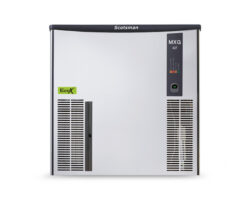
Ideal for Hotels, Restaurants, Pubs, Bars & Nightclubs

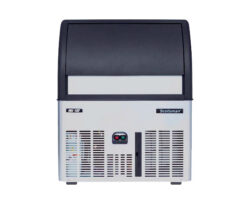
Ideal for Cafes, Coffee Shops, Kiosks & Fast Food Outlets
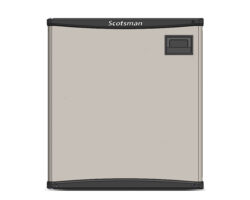
Ideal for busy Cafes, Coffee Shops, Hotels and Fast Food Outlets