
Commercial Ice Machine Buying Guide: How to Choose the Right Ice Machine for Your Business
Ice can be a small detail until you do not have enough of it.
For a busy bar, restaurant, café, hotel or quick service restaurant, a reliable supply of the right type of ice can be essential to day-to-day service. In other applications, such as food production, fish display, healthcare or laboratory work, the type, consistency and availability of ice can be even more critical.
Choosing a commercial ice machine is therefore about much more than simply finding a machine that produces ice.
You need to consider:
- the type of ice your business needs
- how much ice you use
- your busiest periods
- how much ice needs to be stored
- the space available
- water, drainage and electrical requirements
- how the machine will be cleaned and maintained
- how your requirements could change in the future
This guide explains the main factors to consider when choosing a commercial ice machine and helps you understand which type of Scotsman ice maker may be most appropriate for your business.
Already know what you need?

How do I choose a commercial ice machine?
There are six main questions to answer before choosing an ice maker:
1. What will you use the ice for?
Ice for a premium cocktail has different requirements from ice used in a self-service soft drink, seafood display or food production process.
Start with the application, then choose the ice.
2. What type of ice do you need?
Commercial ice is available in many different forms, including solid cubes, dice ice, nugget ice, cubelet ice, flake ice and scale ice.
Each behaves differently and is suited to particular applications.
3. How much ice do you need?
Look at your total demand, but pay particular attention to your busiest periods. An ice machine needs to be capable of keeping up when demand is at its highest, not simply meeting an average calculated across the day.
4. How much ice needs to be stored?
Ice production and ice storage are different specifications.
A machine may be capable of producing a large quantity of ice over 24 hours, but you also need enough immediately available ice to cope with peak service.
5. Where will the machine be installed?
Check the available space together with ventilation, water, drainage and electrical requirements.
6. How will the machine be cleaned and maintained?
A commercial ice machine is producing something that will frequently be consumed. Ease of cleaning, sanitation and ongoing maintenance should therefore form part of the purchasing decision.
What are the different types of commercial ice?
The right ice shape can improve drinks presentation, cooling performance, product handling and the overall customer experience.
Scotsman manufactures a wide range of different ice types for hospitality, foodservice, healthcare and specialist commercial applications.
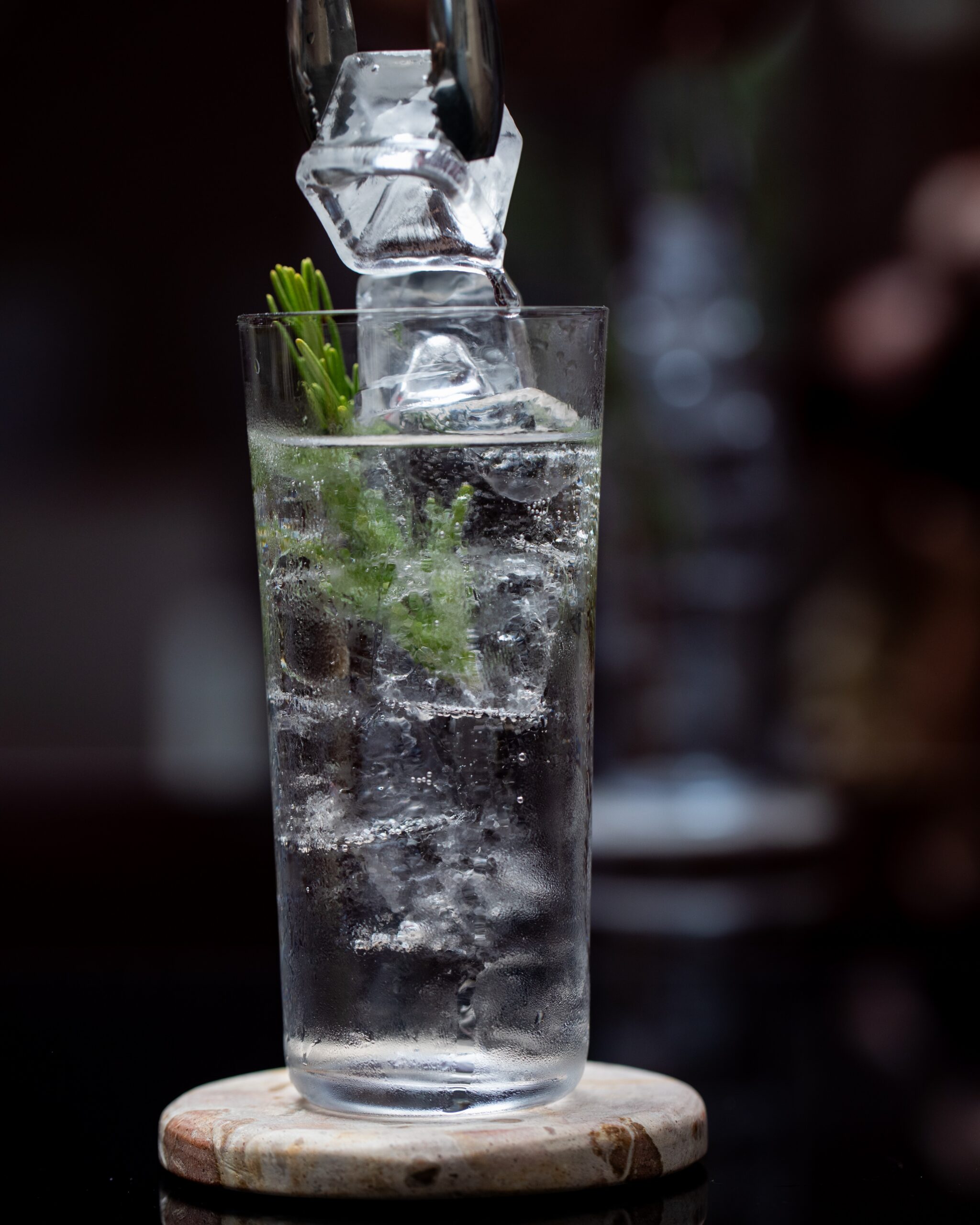
Square Gourmet Supercube Ice
Best for: premium cocktails, spirits, hotels, restaurants and high-end bars
Square Gourmet Supercube ice is designed for businesses where the appearance of the ice matters almost as much as its cooling performance.
The Scotsman EXS range produces clear, solid square cubes intended for premium drinks presentation. The dense cube is slow melting, making it particularly suitable for cocktails, whisky, spirits and other drinks where excessive dilution is undesirable.
For operators developing a premium drinks menu, the appearance of a clean square cube can also contribute to the perceived quality of the finished drink.
Consider Square Gourmet Supercube when:
- drinks presentation is important
- premium spirits and cocktails are a significant part of your offer
- you want a solid, slow-melting cube
- the ice is visible to the customer
Suitable Scotsman range: EXS Series
Gourmet Supercube Ice
Best for: pubs, bars, restaurants, hotels and cafés
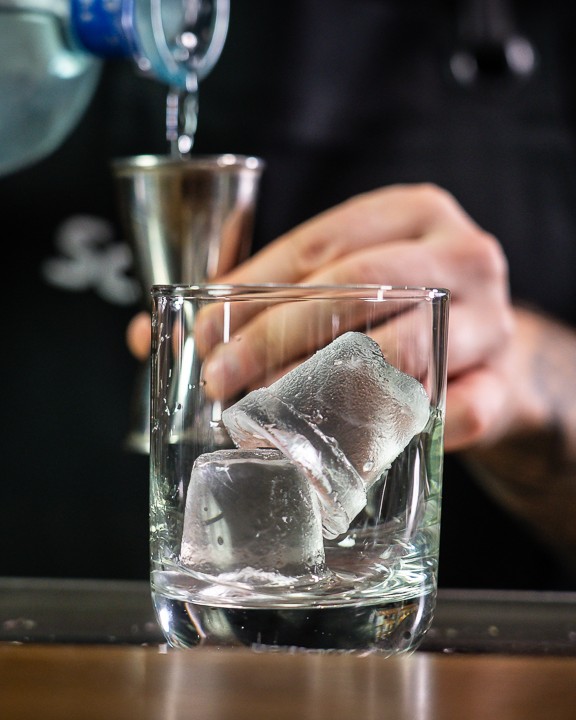
Scotsman’s traditional Gourmet Supercube is a solid ice cube with the distinctive rounded, thimble-style shape associated with the brand.
Its clarity and slow-melting characteristics make it particularly well suited to drinks service where appearance and controlled dilution matter. Hubbard Systems currently offers both self-contained and high-output modular Scotsman machines producing Gourmet Supercube ice.
It is a highly versatile choice for businesses serving everything from soft drinks and iced coffees to spirits and cocktails.
Consider Gourmet Supercube when:
- you need a versatile general drinks ice
- presentation is important
- you serve cocktails or premium spirits
- you want solid ice with a relatively slow melt rate
Suitable Scotsman ranges include: AC, EC and MXG
Dice Ice
Best for: QSR, fast food, high-volume drinks service, cafés and blended drinks
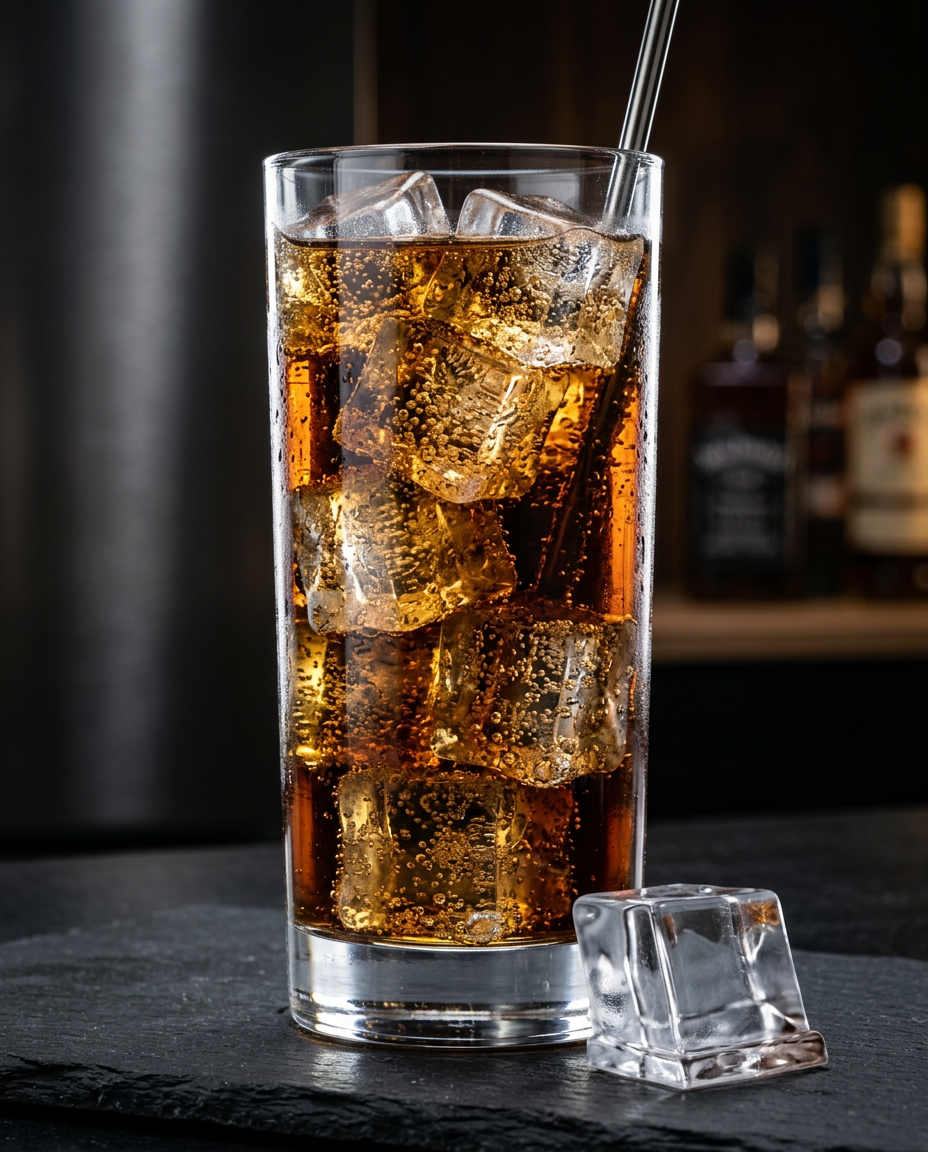
Dice ice is particularly suited to operations where high-volume ice production and efficient drinks cooling are priorities.
The shape provides good liquid displacement, making it useful for soft drinks and general beverage service. Its texture also makes it suitable for drinks that will subsequently be processed in a blender.
Scotsman’s modular NXW range is designed for higher-volume operations and produces Dice, Half Dice or Large Dice ice depending on the configuration. Whereas the NU range offers a compact, self-contained option for operators with limited space.
Consider Dice Ice when:
- your business has high drinks volumes
- you operate a QSR or fast-food environment
- ice is used extensively in carbonated soft drinks
- you prepare blended drinks, smoothies or frozen beverages
- production volume is more important than premium cube presentation
Suitable Scotsman range: NU and NXW
Cubelet Ice
Best for: self-service drinks, QSR, healthcare and dispensing applications
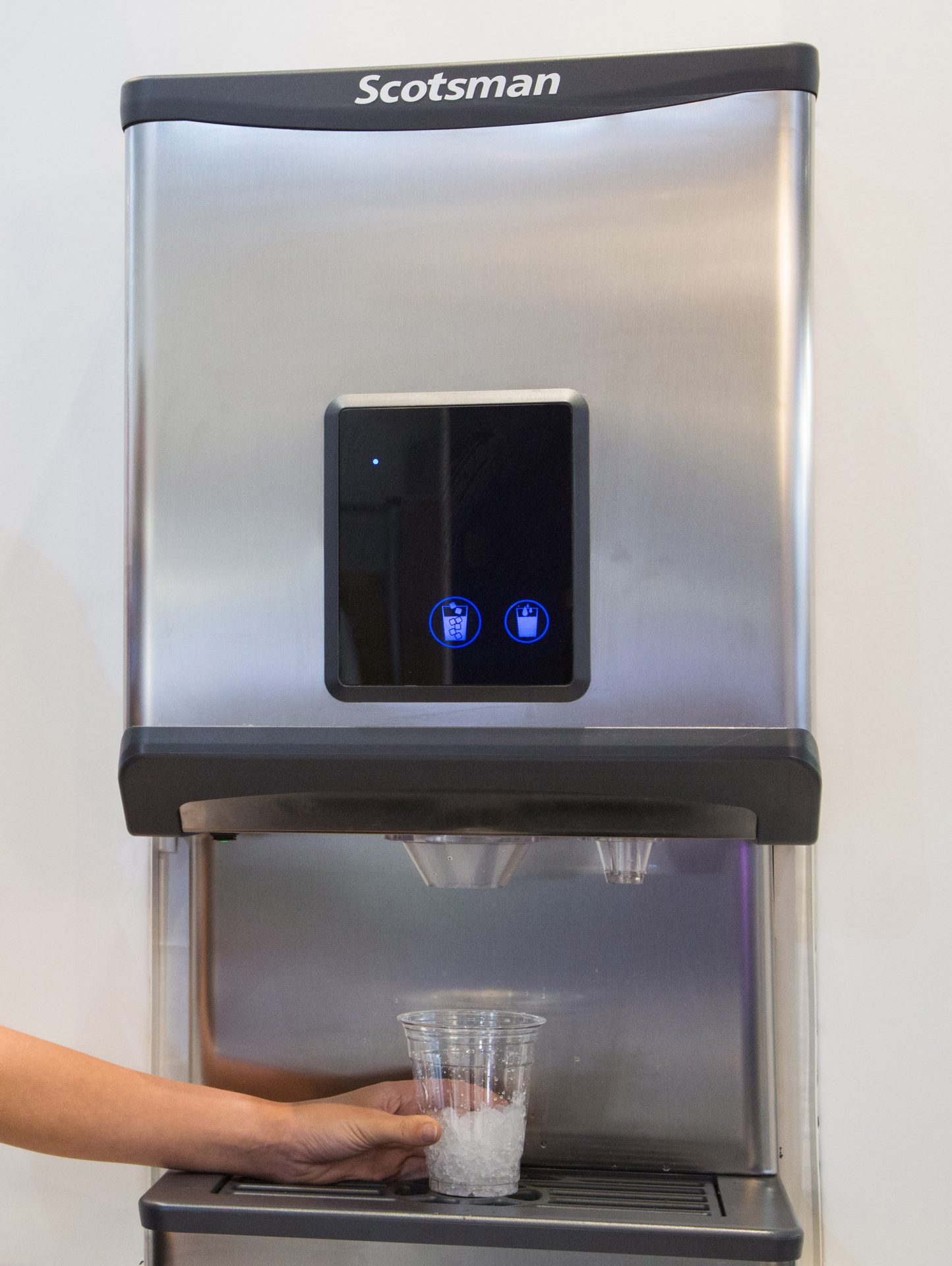
Cubelet ice is produced from compacted flake ice and formed into small, relatively uniform pieces.
It is particularly useful for dispense applications because ice and water can be delivered directly from the machine rather than routinely handled using a scoop.
Scotsman’s DXN ice and water dispensers are designed for applications including hospitals, care homes, fast food restaurants and self-service environments. The current range includes both manual and touch-free dispensing options.
Consider Cubelet Ice when:
- customers or staff need convenient ice dispensing
- minimising manual handling is important
- you provide self-service drinks
- you require a combined ice and water dispenser
- the machine is being used in a healthcare or care environment
Suitable Scotsman range: DXN
Nugget Ice
Best for: QSR, leisure, drinks service and high-volume foodservice
Nugget ice is formed from compacted flake ice and is particularly useful where large quantities of ice are required from a relatively compact machine footprint.
Its smaller, irregular shape works well in soft drinks and other foodservice applications where rapid production and easy dispensing are important.
Consider Nugget Ice when:
- high ice volume is required
- space is limited
- ice is primarily used for soft drinks
- a softer compacted ice format is preferred
Suitable Scotsman Ranges: MFN
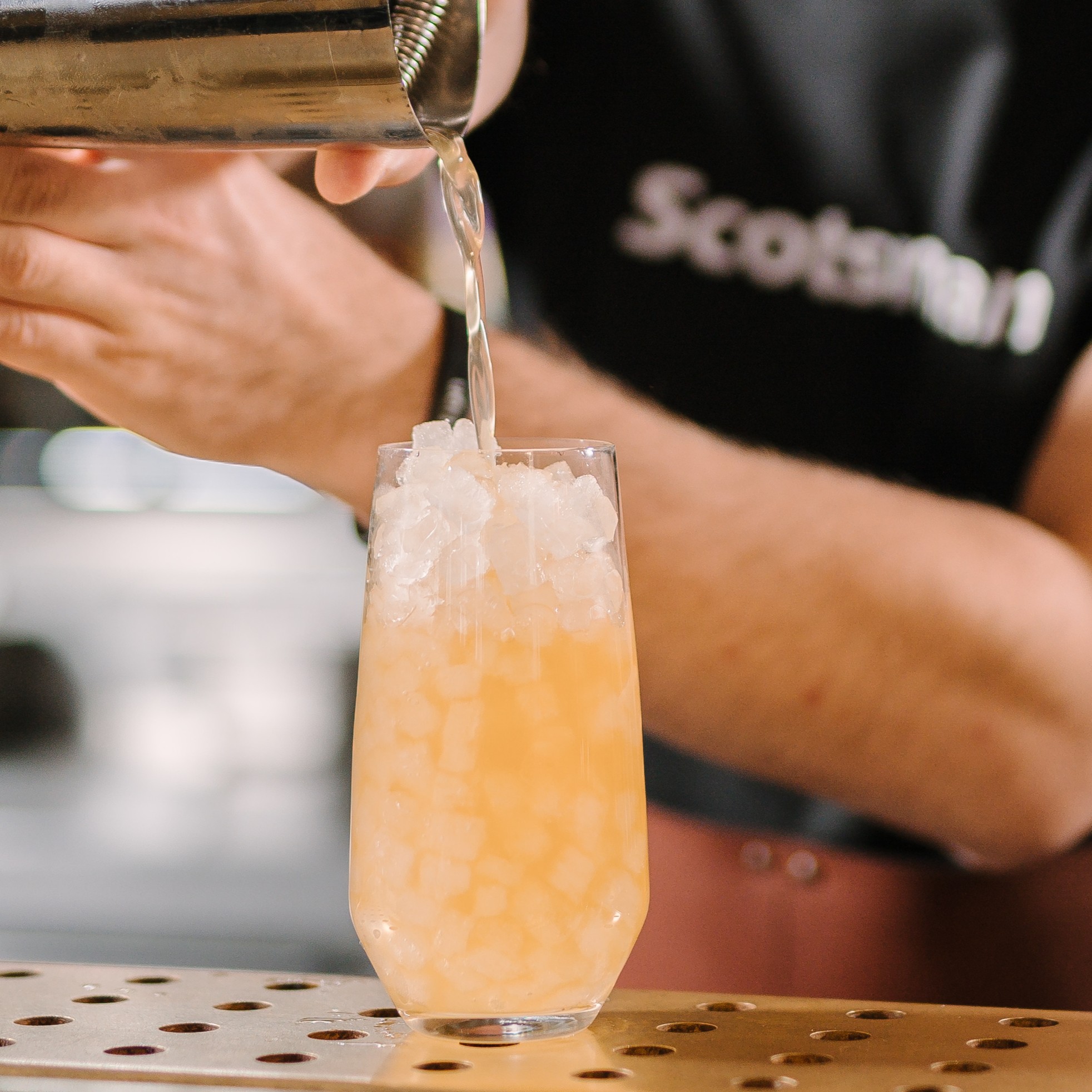
Flake Ice
Best for: fish and seafood, food production, supermarkets, laboratories and specialist cooling
Flake ice has very different characteristics from traditional drinks ice.
Rather than producing individual solid cubes, flake ice creates small, mouldable pieces that can surround a product and provide a large contact area.
This makes it particularly useful for chilled food presentation and processes requiring rapid, even cooling.
Typical applications include:
- fish and seafood displays
- food manufacturing
- chilled food transportation
- dough and bakery production
- fresh produce processing
- laboratory applications
- medical and therapeutic applications
Scotsman’s current MXF modular flake range is designed for specialist high-volume applications and incorporates features including XSafe and XWave connectivity. Scotsman AF and EF series machines offer a compact, self-contained option for smaller applications.
Suitable Scotsman range: AF, EF and MXF

Scale Ice
Best for: food processing, fisheries and industrial applications
Scale ice is designed for demanding applications where large volumes of cold, dry ice are needed for processing, packing or transporting temperature-sensitive products.
Scotsman scale ice equipment can produce different thicknesses to suit applications including food processing and the fishing industry.
For businesses requiring industrial quantities of ice, machine specification needs to consider the complete production, storage and handling system rather than the ice maker alone.
Suitable Scotsman range: MAR

Which commercial ice machine is right for my business?
The easiest way to narrow down the options is often to start with the type of business you operate.
Ice machines for pubs and bars
Bars can place particularly high demands on an ice machine because demand is often concentrated into relatively short periods.
Consider:
- peak drinks volume
- cocktails versus general soft drinks
- premium drinks presentation
- available undercounter space
- ice storage requirements
- distance from a suitable drain
- whether more than one bar needs access to ice
For cocktail-led venues, Gourmet or Square Gourmet Supercube ice may be preferable.
For high-volume general drinks service, Dice ice may provide a more appropriate solution.
Ice machines for cafés and coffee shops
Cold drinks have become an increasingly important part of many café menus.
An ice machine can support:
- iced coffee
- iced lattes
- cold brew
- frappés
- smoothies
- iced teas
- soft drinks
For a smaller café, a compact self-contained machine may provide sufficient production without taking up excessive space.
Where iced and blended drinks form a major part of the menu, higher production capacity may be required.
Ice machines for restaurants
A restaurant may need ice for several different purposes during the same service.
These can include:
- table drinks
- cocktails
- soft drinks
- bottled drinks
- food preparation
- chilled displays
- back-of-house cooling
The best machine therefore depends on the menu, number of covers, drinks mix and peak service pattern.
Smaller restaurants may be able to use a self-contained machine with an integral storage bin, while larger operations may benefit from a modular ice maker paired with a separately sized storage bin.
Ice machines for hotels
Hotels can be particularly difficult to specify because ice demand may come from several areas simultaneously.
A hotel could require ice for:
- restaurant service
- bars
- events
- conferences
- weddings
- banqueting
- room service
- breakfast service
- kitchens
Larger hotels should therefore consider both total daily production and the amount of ice that needs to be immediately available during major events.
A modular system can provide more flexibility because ice production and storage capacity can be specified separately.
Ice machines for QSR and fast-food restaurants
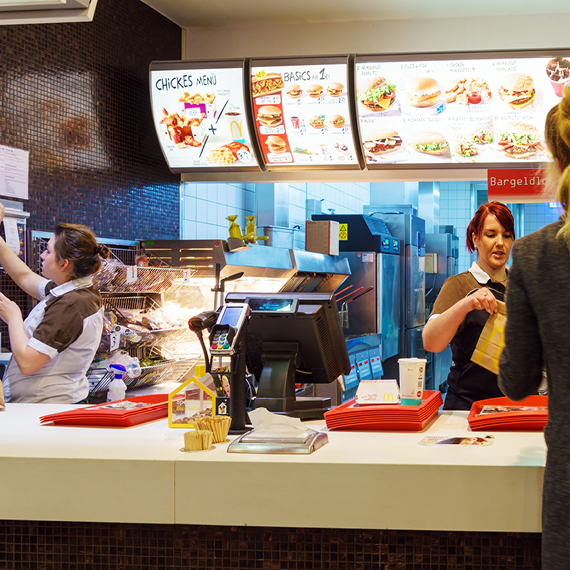
A high-volume quick service restaurant may use a substantial quantity of ice through its soft-drink operation.
Priorities typically include:
- rapid production
- high output
- compact footprint
- efficient dispensing
- sufficient storage
- straightforward operation
- ease of cleaning
Dice, Nugget and Cubelet ice can all be appropriate depending on the drinks system and service format.
Scotsman DXN dispensers provide another option for sites requiring integrated ice and water dispensing.
Ice machines for fish, seafood and food production
For food display or processing, the requirement is normally very different from drinks service.
Flake ice can mould around food products and provide extensive surface contact, making it particularly suited to fish, seafood, chilled displays and food-production processes.
High-output modular Scotsman MXF machines can be paired with storage and ice-handling systems according to the application.
Ice machines for hospitals and care homes
Healthcare environments can use ice for patient welfare, drinks and other specialist applications.
Where direct dispensing is required, an ice and water dispenser can reduce the amount of handling involved compared with manually scooping ice from a storage bin.
Scotsman’s DXN range is designed for applications including hospitals, care homes and self-service environments.
What size commercial ice machine do I need?
One of the most common mistakes when specifying an ice machine is concentrating only on the headline maximum production per 24 hours.
That figure is important, but it does not tell the whole story.
You need to consider both:
Ice production capacity
The amount of ice the machine is capable of producing over a given period.
Ice storage capacity
The amount of finished ice that can be held ready for use.
These are not the same thing.
Imagine a business that experiences its highest demand between 6pm and 9pm. The machine may have enough theoretical daily production capacity, but if insufficient ice has accumulated before service begins, the operation could still run short.
The objective should therefore be to specify production and storage around your peak demand, rather than simply choosing a machine based on an average daily figure.
Questions to ask when calculating ice demand
Consider:
- How much ice do you currently buy or produce each day?
- At what time is demand highest?
- How many drinks are served during peak periods?
- How much ice goes into each drink?
- Is ice used elsewhere in the business?
- Do seasonal temperatures substantially increase demand?
- Are you planning to expand the drinks menu?
- Will the business increase opening hours or capacity?
- Would running out of ice interrupt service?
Where there is uncertainty, speak to Hubbard Systems before selecting a machine. We can help assess the application and identify appropriate Scotsman options.
Self-contained or modular ice machine?
Commercial ice makers generally fall into two broad configurations.
Self-contained ice machines
A self-contained machine combines the ice-making equipment and storage bin in one cabinet.
They are particularly useful for:
- cafés
- pubs
- smaller restaurants
- kiosks
- coffee shops
- lower to medium-volume sites
Their compact format can make installation simpler where space is limited.
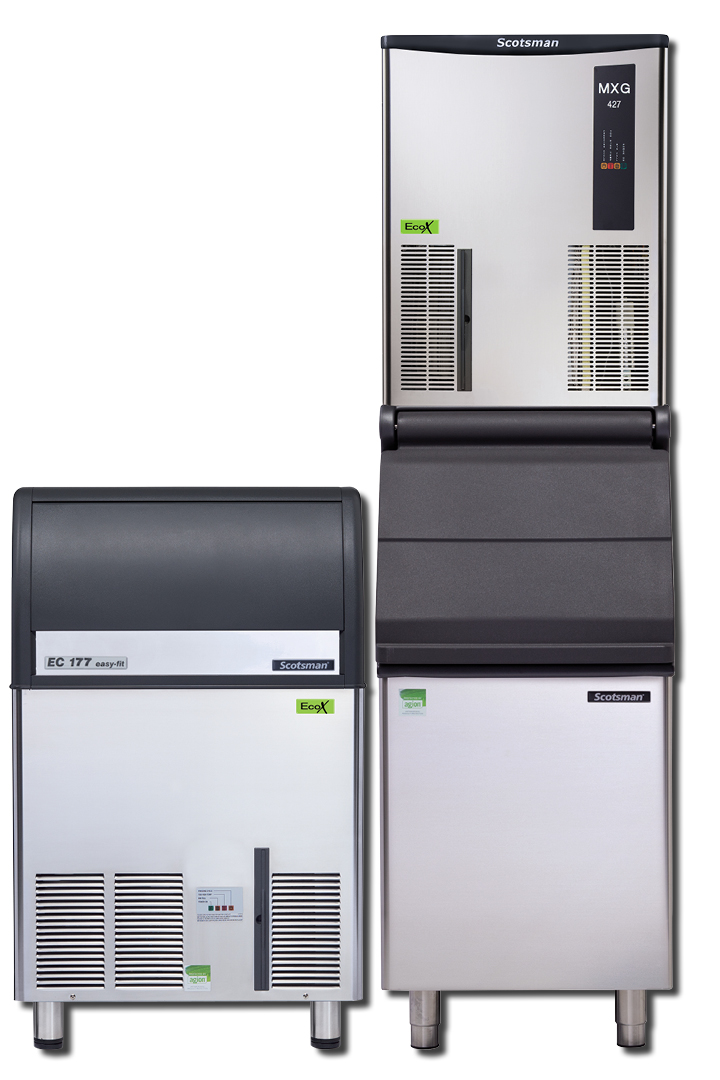
For example, the Scotsman EC range combines Gourmet Supercube production with integral storage. Depending on the individual model, different production and storage capacities are available.

Modular ice machines
A modular machine consists of a separate ice-making head positioned above a compatible storage bin or ice-handling system.
This allows production capacity and storage capacity to be specified separately.
Modular machines are particularly useful for:
- high-volume restaurants
- hotels
- large bars
- nightclubs
- QSR
- food manufacturing
- fisheries
- industrial applications
Scotsman modular ranges include equipment for Gourmet Supercube, Dice and Flake ice production.

What do I need to install a commercial ice machine?
Before ordering an ice machine, check the proposed installation location carefully.
Requirements differ between models, so the specification for the chosen machine should always be checked before installation.
Typical considerations include:
Water supply
A plumbed ice maker requires a suitable potable water supply.
Water quality can also affect the appearance and taste of the finished ice as well as scale formation inside the machine.
Correct water filtration should therefore be considered as part of the complete installation rather than as an afterthought.
Drainage
Water needs to be removed from the machine during normal operation.
The location and type of drain can significantly affect where an ice maker can be installed.
What if there isn’t a drain next to the ice machine?
This is an important question when installing equipment into an existing bar, café or restaurant.
Scotsman’s EC range incorporates its Progressive Water Discharge system. Hubbard Systems states that the PWD system can pump waste water to a drain up to 15 metres away and up to 1.5 metres above the machine, providing considerably greater flexibility when positioning appropriate EC models.
This can make the EC range particularly useful where access to a conventional gravity drain is difficult.
Electrical supply
Electrical requirements vary by model.
Compact machines may operate from a standard single-phase supply, while larger commercial systems can have different requirements.
Always confirm the electrical specification of the chosen model before installation.
Service access
An installation should also allow an engineer to access the components required for cleaning, servicing and repair.
A machine that technically fits into a space may not necessarily be appropriately installed if key panels cannot subsequently be accessed.
Ventilation
An air-cooled ice machine needs sufficient airflow to reject the heat generated by the refrigeration system.
Installing an unsuitable machine in a restricted or poorly ventilated area can affect performance.
Check:
- manufacturer clearance requirements
- position of air inlets and outlets
- ambient temperature
- nearby cooking equipment
- access for cleaning air filters
Does a commercial ice machine need a water filter?
In most applications, water treatment should be considered when specifying an ice machine.
After all, water is the main ingredient in ice.
The characteristics of the incoming water can influence:
- taste
- odour
- ice appearance
- scale formation
- internal components
- cleaning requirements
The appropriate filtration system depends on local water conditions, the machine and the volume of water being processed.
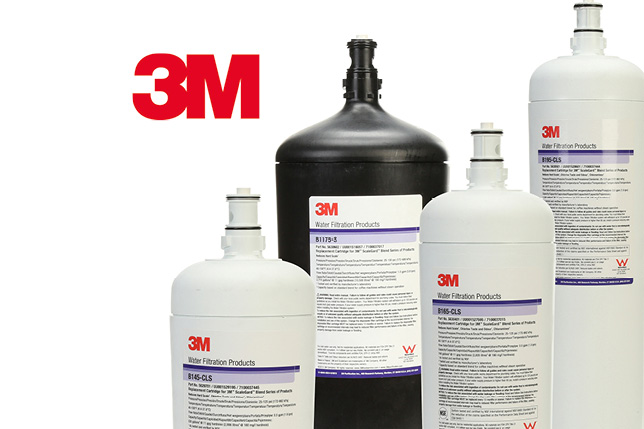
Hubbard Systems supplies 3M commercial water filtration products and can advise on an appropriate solution for Scotsman equipment.
How important is ice machine hygiene?
Commercial ice should be treated as a food product.
The machine, storage bin, scoop and anything else that comes into contact with the ice therefore need to form part of the business’s normal cleaning and hygiene procedures.
Always follow the manufacturer’s cleaning and maintenance instructions for the specific model.
Good practice should include:
- regular machine cleaning
- keeping the storage bin clean
- using a dedicated ice scoop
- storing the scoop hygienically
- avoiding unnecessary hand contact with ice
- checking and replacing water filters as required
- keeping ventilation openings and condenser filters clean
- arranging appropriate preventative maintenance
What is Scotsman XSafe?
XSafe is Scotsman’s integrated sanitation technology.
It operates automatically within compatible Scotsman ice machines and is designed to reduce the build-up of microorganisms and substances such as mould, mildew, yeast and slime within the equipment. Hubbard Systems states that the system operates continuously and is integrated into a wide range of current Scotsman models.
XSafe should be viewed as an additional hygiene feature rather than a replacement for the correct cleaning and maintenance of an ice machine.
Why choose a Scotsman commercial ice machine?
Scotsman specialises in commercial ice-making equipment and manufactures machines for applications ranging from small hospitality sites through to high-volume food production and industrial operations.
The range available through Hubbard Systems includes:
- Square Gourmet Supercube ice
- traditional Gourmet Supercube ice
- Dice ice
- Nugget ice
- Cubelet ice
- Flake ice
- Scale ice
- ice and water dispensers
- self-contained machines
- modular high-output machines
- ice storage and transportation solutions
This means a Scotsman solution can be specified around the type of ice and application required, rather than forcing every business into the same machine format.
Commercial Scotsman Ice Machines from Hubbard Systems
Hubbard Systems supplies Scotsman commercial ice equipment across the UK through its network of catering equipment dealers and resellers.
Our team can help with:
- selecting the right ice type
- estimating required production
- assessing storage requirements
- comparing Scotsman machines
- water filtration
- installation considerations
- technical product advice
- warranty and after-sales support
- spare parts
- ongoing service requirements
You do not need to know which model you need before contacting us.
Tell us what your business does, what you use the ice for, approximately how much you need and where the machine will be installed.
We can help narrow down the options.
Need help choosing a commercial ice machine?
Send us an enquiry
Use the form below to tell us what you are looking for. The more detail you can provide, the easier it will be for our team to recommend the right next step.
Frequently Asked Questions About Commercial Ice Machines
What is the best commercial ice machine?
There is no single best commercial ice machine for every business. The right choice depends on the type of ice required, daily and peak demand, storage capacity, installation location and application. A cocktail bar, QSR, hotel and fishmonger can all need very different types of ice equipment.
What size commercial ice machine do I need?
Choose a machine according to peak ice demand rather than relying solely on an average daily figure. Consider how much ice is required during your busiest service period as well as how much finished ice needs to be held in storage.
What type of ice is best for a bar?
For premium cocktails and spirits, a solid Gourmet or Square Gourmet Supercube can provide strong presentation and slower dilution. Higher-volume bars may also use Dice ice for general drinks service. The best choice depends on the drinks menu and required production volume.
What type of ice is best for cocktails?
Solid, clear ice with a slow melt rate is generally preferred for premium cocktails because it can provide strong presentation while helping control dilution. Scotsman Gourmet Supercube and Square Gourmet Supercube ice are both designed with premium beverage service in mind.
What type of ice is best for soft drinks?
Dice, Nugget and Cubelet ice are all commonly suited to high-volume soft-drink applications. The right choice will depend on whether the ice is manually served, automatically dispensed and the required production capacity.
Which ice machine is best for a café?
A smaller café may benefit from a compact self-contained ice machine. Consider the number of iced coffees, frappés, smoothies and other cold drinks sold during peak periods before deciding on production capacity.
What is the difference between an ice machine’s production and storage capacity?
Production capacity describes how much ice the machine can make over a specified period, normally expressed as a maximum output over 24 hours. Storage capacity describes how much finished ice can be held ready for use. Both need to be considered when specifying a machine.
Does a commercial ice machine need a drain?
Commercial plumbed ice machines normally require wastewater drainage, but the exact requirements depend on the model. Some Scotsman EC models incorporate a pumped drainage system that provides greater flexibility where the nearest suitable drain is not immediately adjacent to the machine.
Does an ice machine need a water filter?
Water filtration is strongly worth considering because incoming water can affect ice quality, taste and scale formation. The correct filtration system depends on the ice machine, usage and local water conditions.
How often should a commercial ice machine be cleaned?
Cleaning frequency depends on the machine, operating environment, water quality and manufacturer’s recommendations. Operators should follow the cleaning schedule and procedures specified for their particular machine and include the storage bin, scoop and surrounding equipment in normal hygiene routines.
What is the difference between a self-contained and modular ice machine?
A self-contained machine combines ice production and an integral storage bin within one cabinet. A modular machine uses a separate ice-making head and storage bin, allowing production and storage to be specified independently. Modular systems are generally suited to higher-volume applications.
Can Hubbard Systems help specify an ice machine?
Yes. Hubbard Systems can help compare Scotsman ice types, machine capacities, storage requirements and installation considerations to identify equipment suitable for your application.